

IC and Vulvodynia: Understanding the Overlap

IC/BPS and vulvodynia are different diagnoses, but they can occur together. IC/BPS usually centres on bladder-related discomfort with urinary symptoms; vulvodynia describes persistent vulval pain after appropriate evaluation finds no clear cause.
In simple terms: external burning and bladder pain can overlap, but one should not automatically explain the other. Location, timing and touch clues help clinicians investigate both.
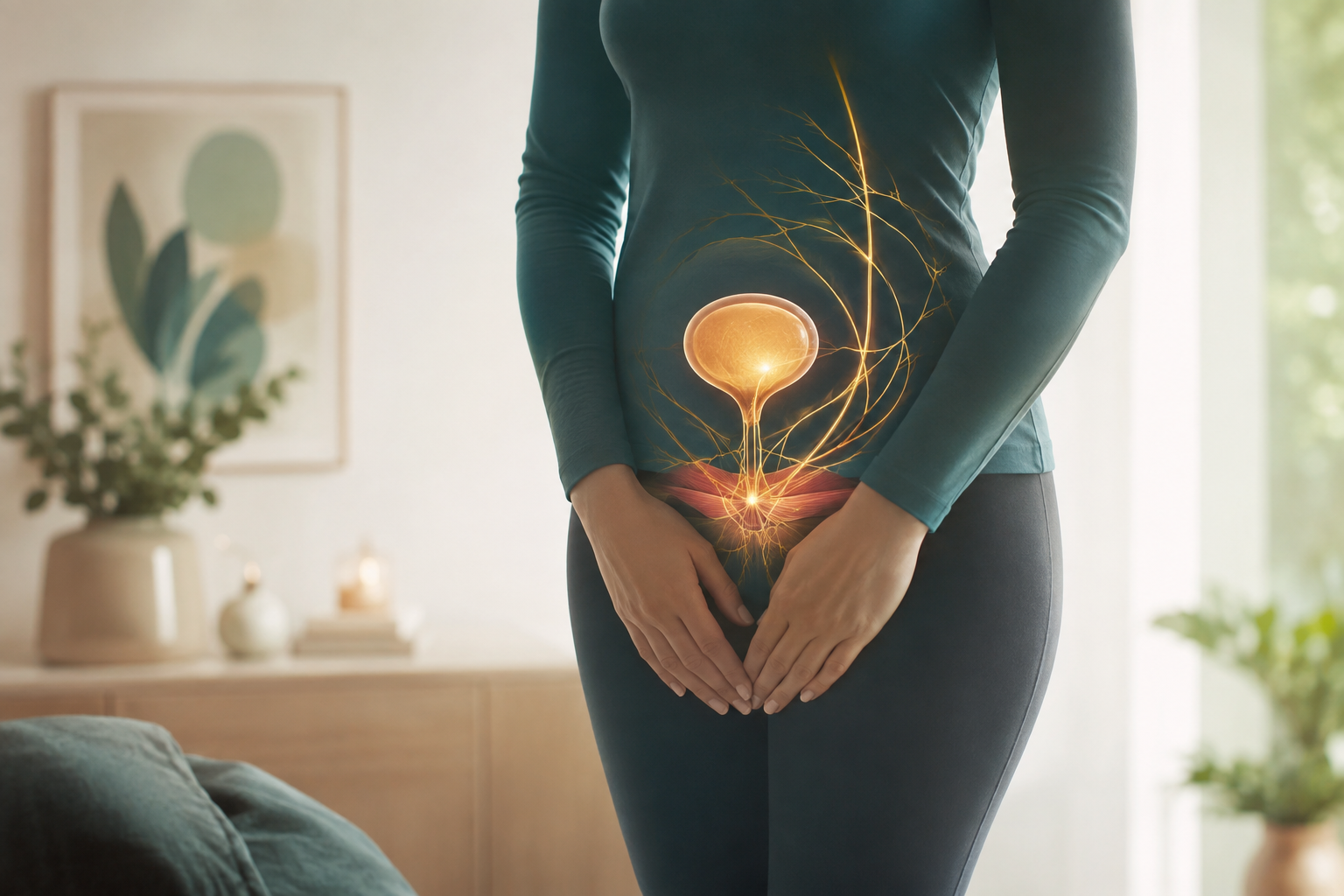
Clues that may separate sensations
Pain rising with bladder filling points towards a bladder component. Pain triggered by light touch, clothing or contact at the opening points towards vulval sensitivity. Urethral burning can involve several tissues.
Conditions still to consider
Urinary or vaginal infection, skin conditions, hormonal tissue changes, medicine effects, endometriosis, pudendal irritation and pelvic-floor dysfunction all deserve appropriate consideration.
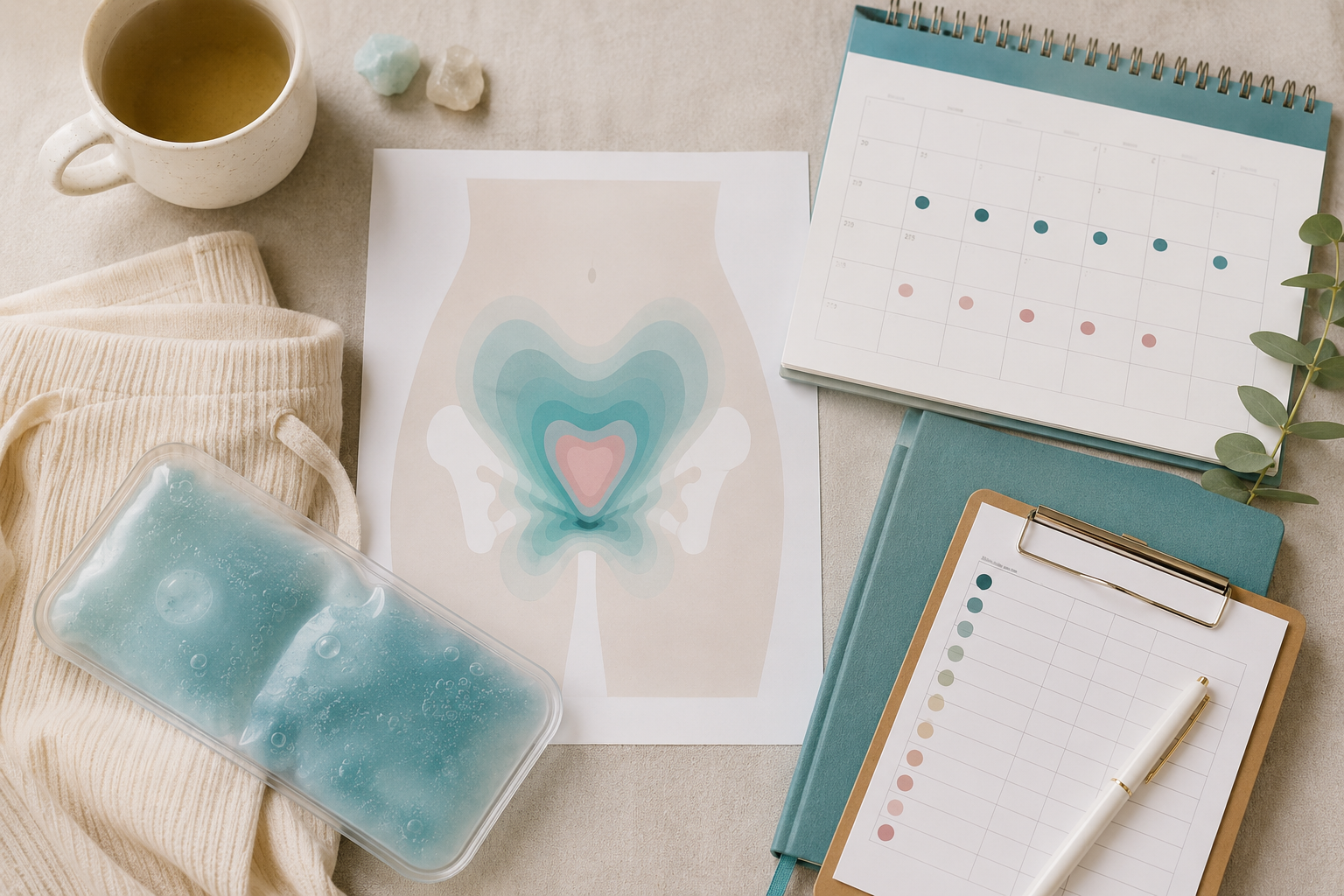
What to track
Record exact location, bladder filling, urination, touch, sex, sitting, clothing, bowel and cycle triggers, plus skin changes, discharge, bleeding and test results.
Phenotype bridge
Pelvic-floor and nervous-system pathways often matter. Hormone-linked tissue sensitivity can matter postpartum or around menopause; histamine, infection-aftereffect and bladder-lining pathways can coexist.
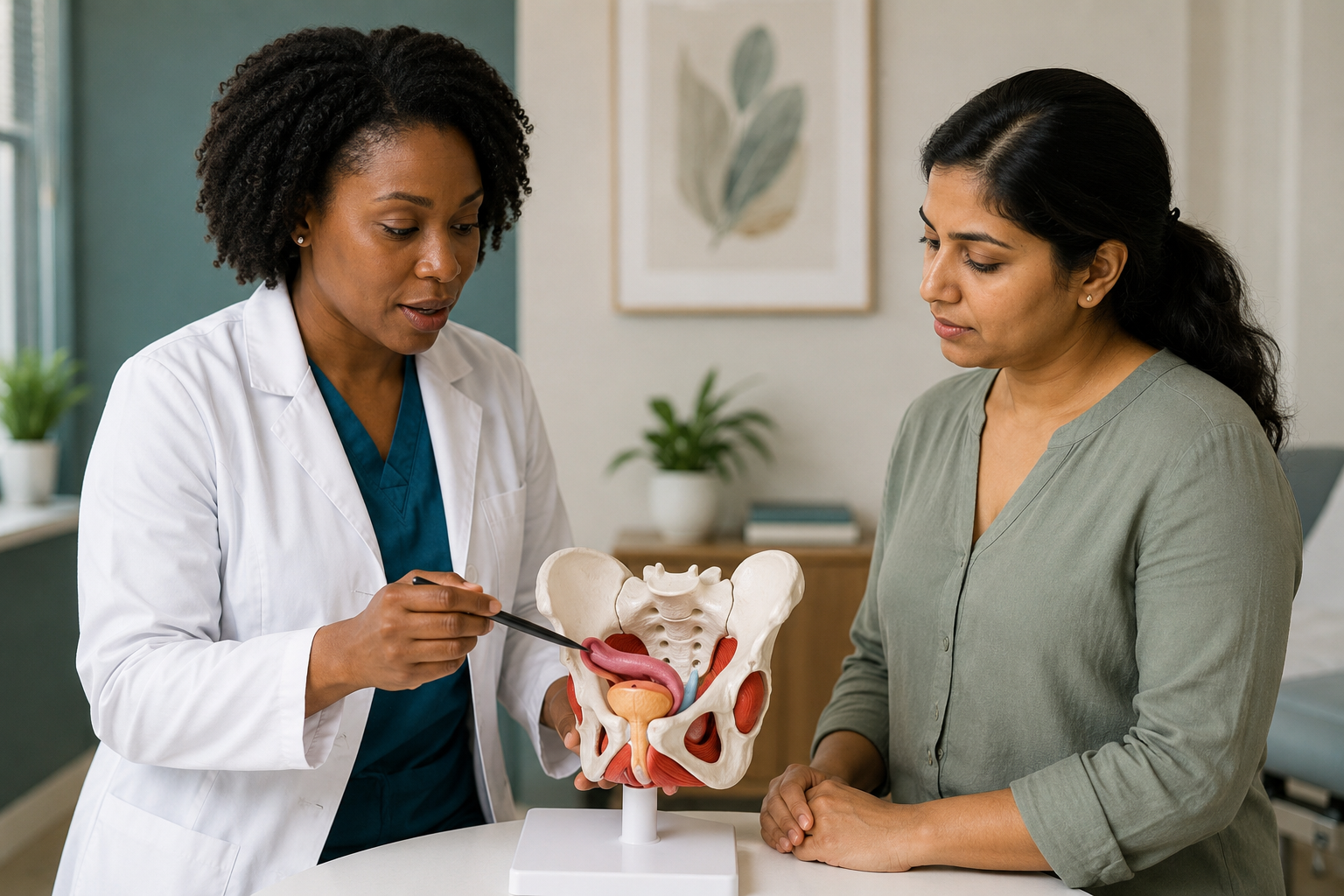
What good care looks like
Care should be trauma-informed and consent-based, with gynaecology, urology, dermatology, pelvic-health or pain input as needed. Seek assessment for sores, lumps, colour change, discharge or bleeding.
Related guides
Build your personal pattern
Track symptoms and overlapping exposures together.
Food can cut across every pathway. Test suspected effects without making the diet permanently restrictive.
Frequently asked questions
Are IC and vulvodynia the same?
No. They are distinct conditions, although some people meet criteria for both.
References
Important medical disclaimer
This article is educational and is not a diagnosis or a substitute for personalised medical advice. Seek urgent help for fever, chills, visible blood, flank pain, vomiting, inability to pass urine, pregnancy with urinary symptoms, or new severe or rapidly worsening pain. Discuss persistent or changing symptoms, medicines, supplements and diet changes with an appropriate clinician.

Comments