.png)
Bladder-Friendly Drinks for IC: What to Try and What May Trigger Flares

Updated: Aug 11
Quick answer: what can you drink with IC?
Water is the simplest starting drink for interstitial cystitis/bladder pain syndrome (IC/BPS), but it is not the only possible option. Some people also tolerate milk, plant-based milk, decaffeinated drinks, weak herbal tea or diluted non-citrus juice.
No drink is universally bladder-friendly. Coffee, caffeinated tea, fizzy drinks, alcohol, citrus juice, energy drinks and drinks containing artificial sweeteners are among the most commonly reported triggers, but personal tolerance varies.
Free printable support: Download the 10-page IC Food Starter Pack for common drink triggers, simple meal ideas and a food-and-symptom tracker.
Why drinks can be more noticeable than foods
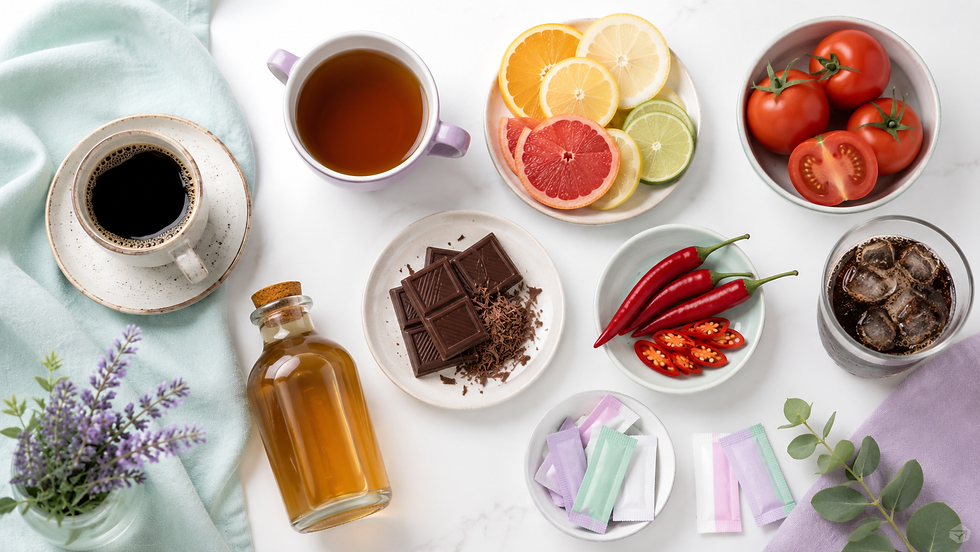
Several drink features can matter at once: caffeine may increase urgency and frequency; alcohol can increase urine production; carbonation may feel irritating; citrus and other acids may worsen symptoms; and sweeteners, flavourings or preservatives may be triggers.
Questionnaire studies repeatedly identify coffee, tea, fizzy drinks, alcohol and citrus drinks among commonly reported triggers. These studies show patterns rather than proving that a drink will trigger everyone. A 2026 systematic review also concluded that the dietary evidence remains limited, making individual testing more useful than a universal banned-drinks list.
The most practical starting drink: water
Plain still water is usually the easiest baseline because it contains no caffeine, alcohol, carbonation, juice acids, sweeteners or flavourings.
That does not mean forcing excessive water. Drinking a large amount quickly can increase bladder filling, urgency and bathroom frequency. A steadier intake across the day is easier to tolerate and interpret.
There is no single correct amount for everyone. Fluid needs depend on body size, activity, weather, pregnancy, medicines and health conditions. Follow medical advice if you have been told to restrict or increase fluids.
What if plain water seems to irritate your bladder?
Check whether you drank much more or faster than usual.
Check whether it contained flavouring, electrolytes or sweetener.
Compare still water with sparkling water.
Consider whether symptoms were already worsening or whether constipation, hormones, stress or pelvic-floor tension were present.
Can you drink coffee with IC?
Coffee is one of the most consistently reported IC triggers. Caffeine can increase urgency and frequency, while coffee also contains acids and other compounds that may matter independently.
Instead of assuming coffee must be avoided forever, you could test a smaller serving, half-caffeinated coffee, decaffeinated coffee, drinking it less often or having it with food.
Is decaf coffee bladder-friendly?
Decaf contains much less caffeine, but it is not caffeine-free and still contains coffee acids and flavour compounds. Some people tolerate it better; others do not. Test a small serving when symptoms are stable.
Can you drink tea with IC?
Black, green, white and oolong teas naturally contain caffeine. The amount varies with the tea, brewing time and portion size. If tea appears to trigger symptoms, test a weaker brew, smaller cup, decaffeinated version or lower-caffeine tea.
Are herbal teas safe for IC?
Herbal does not automatically mean bladder-friendly. Blends may contain citrus peel, hibiscus, berries, vitamin C, liquorice, spices, sweeteners or flavourings. Check the complete ingredient list and test one plain product at a time.
Herbal teas may interact with medicines or be unsuitable in pregnancy and certain health conditions, so ask a pharmacist or clinician when relevant.
Are fizzy drinks bad for IC?
Carbonated drinks often combine several possible triggers: carbonation, caffeine, citric or phosphoric acid, artificial sweeteners and fruit acids. This can make a reaction difficult to interpret.
What about plain sparkling water?
Plain sparkling water removes caffeine, alcohol and sweeteners but still contains carbonation. Some people tolerate it; others notice more pain, pressure or urgency. Test it separately from flavoured sparkling water, which may contain acids or sweeteners.
Can you drink alcohol with IC?
Alcoholic drinks are commonly reported triggers. Alcohol may increase urine production, while wine may be acidic, beer and cider are carbonated, and cocktails may contain citrus, caffeine, fizzy mixers or sweeteners.
If you choose to test alcohol, do so on a stable day, use a small amount, drink it with food and keep other variables familiar. Do not use alcohol during pregnancy, with interacting medicines or when a clinician has advised you to avoid it.
Are fruit juices bladder-friendly?
Citrus juices, cranberry juice and sharp fruit drinks are commonly reported triggers. Orange, grapefruit, lemon, lime and many mixed juices may be acidic.
Cranberry does not treat IC/BPS and may irritate some sensitive bladders. Do not assume a drink is suitable simply because it is marketed for urinary health.
Possible options to test individually include a small amount of diluted pear, blueberry, apple or white-grape juice. Check for added citric acid, vitamin C, sweeteners and mixed fruit concentrates.
What about milk and plant-based drinks?
Plain milk, lactose-free milk and unflavoured oat, rice, almond, coconut or soya drinks may offer alternatives if you tolerate them. Flavoured products may contain cocoa, coffee, fruit acids, sweeteners, gums or preservatives.
Dairy, soya and nuts are not universal IC triggers. Remove them only when your pattern suggests a problem or a clinician recommends a structured trial. Choose fortified alternatives when they replace dairy regularly.
Are electrolyte drinks safe for IC?
Electrolyte drinks may contain citric acid, vitamin C, artificial sweeteners, flavourings or caffeine. They are not automatically gentle simply because they are marketed for hydration.
Most people do not need an electrolyte drink for ordinary daily hydration. They may be appropriate after significant fluid loss, during illness or when medically recommended.
Are energy drinks suitable for IC?
Energy drinks commonly combine high caffeine, carbonation, acids, sweeteners and other stimulants. This makes them difficult to test and a poor starting choice during a flare. If you drink several caffeinated drinks daily, reducing gradually may avoid withdrawal headaches and fatigue.
Does alkaline water help IC?
There is not enough evidence to recommend alkaline water as an IC treatment. A drink's pH does not predict how your bladder will respond, and specialised water products have not been shown to provide reliable symptom relief.
Hidden ingredients to check on drink labels
Caffeine
Citric acid, ascorbic acid or added vitamin C
Artificial sweeteners and sugar alcohols
Carbonation and fruit concentrate
Strong spice extracts, preservatives, flavourings and added herbs
A simple way to test a drink
Choose a day when symptoms are near your usual baseline.
Keep meals, supplements and activity familiar.
Record pain, pressure, burning, urgency and frequency before the test.
Try a small serving in the morning or at lunchtime.
Record symptoms for the rest of the day and the following morning.
Repeat an unclear result before labelling the drink a trigger.
Use the full process in IC Elimination Diet: How to Find Your Triggers Without Over-Restricting.
Bladder-friendly drink ideas to explore
Still or warm water
Plain milk or lactose-free milk
Unflavoured fortified oat, rice, almond, coconut or soya drink
Decaffeinated tea or coffee
A weak herbal tea with a simple ingredient list
A small amount of diluted non-citrus juice
These are testing ideas, not promises. During a flare, return to drinks you already know are comfortable and use the guidance in What to Eat During an IC Flare once that draft is published.
What if every drink seems to trigger symptoms?
Do not keep reducing fluids until you become dehydrated. Speak with a clinician if drinking consistently causes marked pain, you cannot maintain hydration, or symptoms are severe or changing. Bladder filling, pelvic-floor guarding, infection, nervous-system sensitisation, hormones or an active flare may make any fluid feel uncomfortable.
Seek urgent medical advice for fever, flank pain, vomiting, difficulty passing urine, pregnancy, visible blood that has not been assessed, rapid worsening or feeling seriously unwell.
When drinks are only one part of the pattern
If food or drinks explain only some of your flares, use IC Ally’s free Phenotype Identification Aid to explore possible Pelvic Floor, Bladder Lining/Chemical Irritation, Histamine & Reactivity, Hormone-Linked, Nervous System/Stress and Infection-Aftereffect patterns. These are practical pattern families, not diagnoses, and more than one may apply.
For a broader starting point, see the Ultimate IC Food List and the gentle IC elimination diet guide.
Frequently asked questions
What is the safest drink for IC?
Plain still water is the simplest starting point, but no drink is universally safe. Use a drink you already tolerate and test alternatives individually.
Can I drink decaf coffee with IC?
Some people tolerate decaf better because it contains much less caffeine, but it still contains coffee acids and a small amount of caffeine. Test a small serving when symptoms are stable.
Is tea better than coffee for IC?
Not necessarily. Black, green, white and oolong tea contain caffeine, while herbal blends may contain citrus, hibiscus, spices or flavourings.
Is sparkling water okay for IC?
Some people tolerate plain sparkling water while others react to carbonation. Test it separately from flavoured sparkling drinks, which may contain acids and sweeteners.
Can I drink cranberry juice with IC?
Cranberry juice is acidic and commonly reported as a trigger. It does not treat IC/BPS. Seek medical advice for suspected UTI rather than relying on cranberry products.
How much water should I drink with IC?
There is no universal amount. Drink steadily according to thirst, activity, weather and medical advice, avoiding both dehydration and forcing very large amounts quickly.
Evidence and further reading
Alahmed et al. (2026): Interstitial Cystitis and Dietary Interventions—A Systematic Review
Almutairi (2024): Dietary Influence on Bladder Pain Syndrome—A Systematic Review
Shorter et al. (2007): Effect of Comestibles on Symptoms of Interstitial Cystitis
Friedlander, Shorter and Moldwin (2012): Diet and Its Role in IC/BPS
Lohsiriwat et al. (2016): Regular and Decaffeinated Coffee and Urinary Symptoms
This article is educational and does not diagnose or treat IC/BPS, infection or another urinary condition. Seek personalised medical or dietetic advice if you cannot maintain hydration, symptoms are new or severe, or restriction is affecting your nutrition.


Comments